
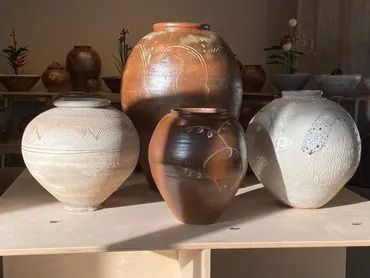
How Mingei values and useful pots connect ceramic traditions
John Reeve ceramics offers useful context for understanding the Leach tradition and its influence on Canadian studio pottery and Canadian craft history today. Reeve served as manager of the Leach Pottery in St. Ives, Cornwall. His role matters because ceramic knowledge often moves through teaching and apprenticeship.
Ron Vallis trained with Reeve and later worked with him on Granville Island. This connection helps explain Vancouver’s pottery history without suggesting every related pot was made by Reeve.
John Reeve Ceramics and the Leach-Hamada Tradition
The story begins with Bernard Leach and Shoji Hamada. Their work joined English and Japanese folk-craft ideas. The Leach Pottery became an important place for this exchange. Martin Peters also apprenticed there in 1974–1975.
Makers learn methods, forms, and values from other makers. Those ideas can change as they enter new studios.
How Reeve’s Influence Reached Vancouver
Ron Vallis trained with John Reeve, as well as Vancouver potters Sally Michener and Tam Irving. He later worked with Reeve on Granville Island. These links show how pottery knowledge traveled through people.
Dunbar Pottery provides a Vancouver example of this wider lineage. The studio makes useful pots by hand and continues the Leach/Hamada line through English and Japanese folk-craft influences. Its work also reflects Mingei, a Japanese approach that values traditional forms and useful handmade objects.
This distinction is useful when someone searches to buy John Reeve pottery. A search result may refer to original work, historical information, or later makers influenced by Reeve. Readers should confirm the maker and provenance before treating a piece as Reeve’s own work.
What Is Made in the Studio?
The pottery is hand-thrown on Leach treadle foot-powered wheels. The studio makes stoneware and porcelain, along with its own clay and glazes. Pots are fired in a gas kiln using reduction.
Each piece is individually made, so every pot is unique. The goal is practical, functional pottery. This kitchen pottery is designed for everyday meals and routines.
That focus also helps explain the Mingei connection. Useful pottery can carry craft, skill, and character into daily use.
How to Research Reeve-Related Pottery
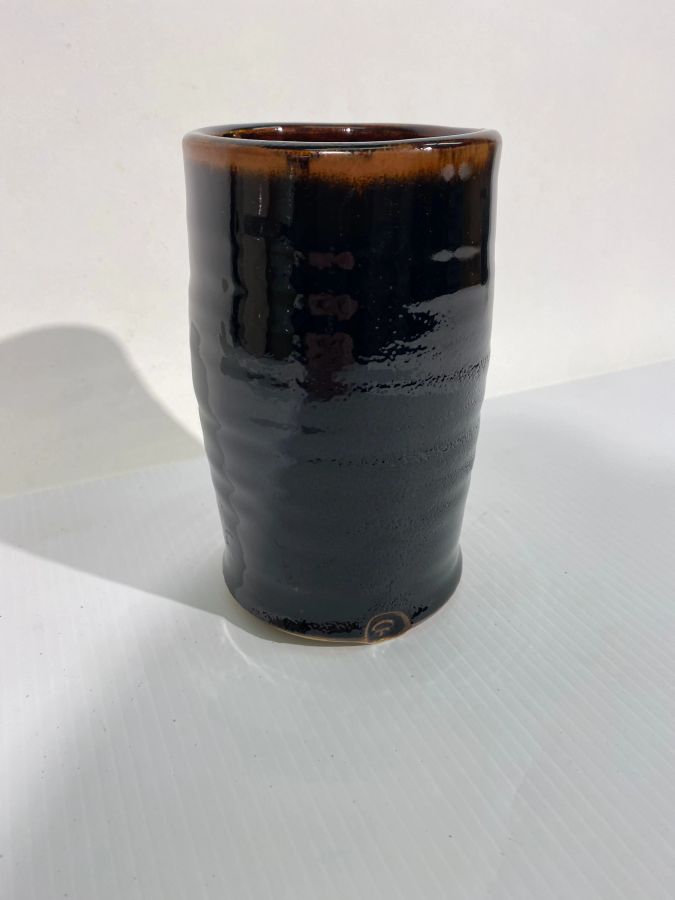
What should a buyer check first? Start with attribution. A piece connected to Reeve’s teaching is not automatically a John Reeve original. Look for clear information about the maker, source, date, material, and provenance.
People using the search phrase buy john reeve pottery should also separate direct authorship from influence. This matters because studio pottery often develops through apprenticeships and shared methods.
The same approach helps when studying handmade stoneware pottery. Its maker, clay body, firing method, glaze, and intended use can all add useful context.
Why This History Still Matters
John Reeve's ceramics are best viewed as part of a living chain of ceramic knowledge. Leach and Hamada shaped a tradition that reached later makers through teaching and practice. Reeve’s management and teaching role form one link in that story, while Vancouver makers developed their own work.
A careful purchaser can therefore ask a simple question: Is this piece by Reeve, or is it influenced by the tradition he helped carry? That answer can change how the object is understood today.
Conclusion: Understanding the Reeve Legacy
This ceramic history connects to a broader story of apprenticeship, folk craft, and useful pottery. His Leach Pottery role helps explain an important path through which ceramic knowledge reached Vancouver. For anyone searching buy john reeve pottery, careful attribution remains essential. Dunbar Pottery shows how that wider lineage can continue through handmade stoneware and porcelain, functional forms, and Mingei-informed values. Explore the studio’s work and history to understand the craft before judging a piece by name alone.
Frequently Asked Questions
Q1: What was John Reeve’s role in the Leach pottery tradition?
John Reeve's ceramics are connected to a former apprentice and later a manager of the Leach Pottery in St. Ives, Cornwall, England. His connection with Ron Vallis and Martin Peters helped carry Leach-related ceramic knowledge into Vancouver’s studio pottery community.
Q2: Does Dunbar Pottery sell John Reeve’s original work?
Dunbar Pottery’s connection to John Reeve is through training and lineage. The studio sells original works made by Reeve himself. In fact, at Dunbar Pottery, they have the last pots that John Reeve ever made.
Q3: What should someone know before searching to buy John Reeve pottery?
Someone searching to buy John Reeve pottery should confirm the maker, provenance, documentation, materials, and seller. A historical connection to Reeve does not automatically mean a piece was made by him.
Q4: How is the Leach/Hamada tradition reflected in Vancouver pottery?
The Leach/Hamada tradition combines English and Japanese ceramic influences. In Vancouver, this lineage can be seen through apprenticeship, hand-throwing, useful forms, and continued attention to traditional pottery methods.
Q5: What makes Dunbar Pottery’s work functional?
Dunbar Pottery makes hand-thrown stoneware and porcelain intended for everyday kitchen use. Its approach reflects Mingei values, where useful pottery forms can bring handmade craft into ordinary daily life.